Does a Facelift Really Address All Signs of Facial Ageing?
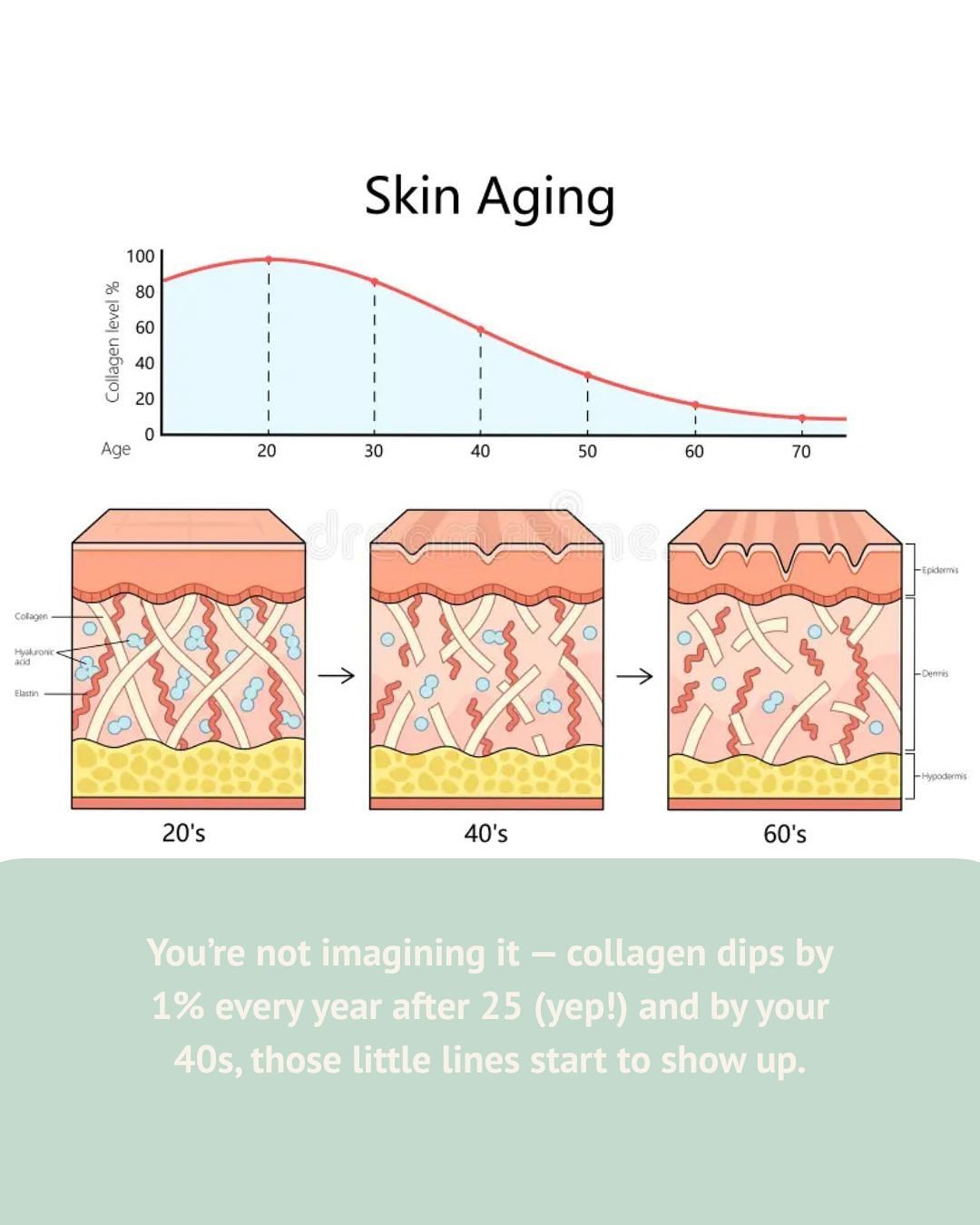
Facelift surgery is widely regarded as one of the most effective procedures for facial rejuvenation. However, a common misconception is that a facelift alone can correct all visible signs of ageing. In reality, facial ageing is a complex process that involves changes at multiple levels of the face, including skin quality, soft tissue position, and facial volume. Understanding these different components is essential for setting realistic expectations and achieving natural, long-lasting results.
Skin Laxity and Tissue Descent
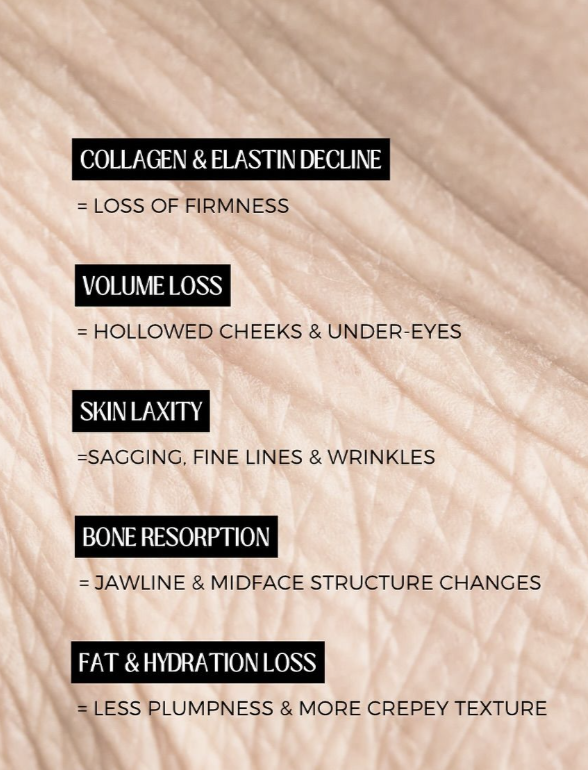
As we age, the ligaments and supporting structures of the face weaken, allowing soft tissues to descend under the effects of gravity. This results in jowling, deepened nasolabial folds, marionette lines, and loss of jawline and neck definition. Facelift and neck lift procedures are specifically designed to address these structural changes. By repositioning the deeper facial tissues rather than simply tightening the skin, modern facelift techniques can restore youthful contours in a natural and durable manner. However, it is important to recognise that lifting procedures primarily correct sagging, not surface skin changes.
2. Skin Quality
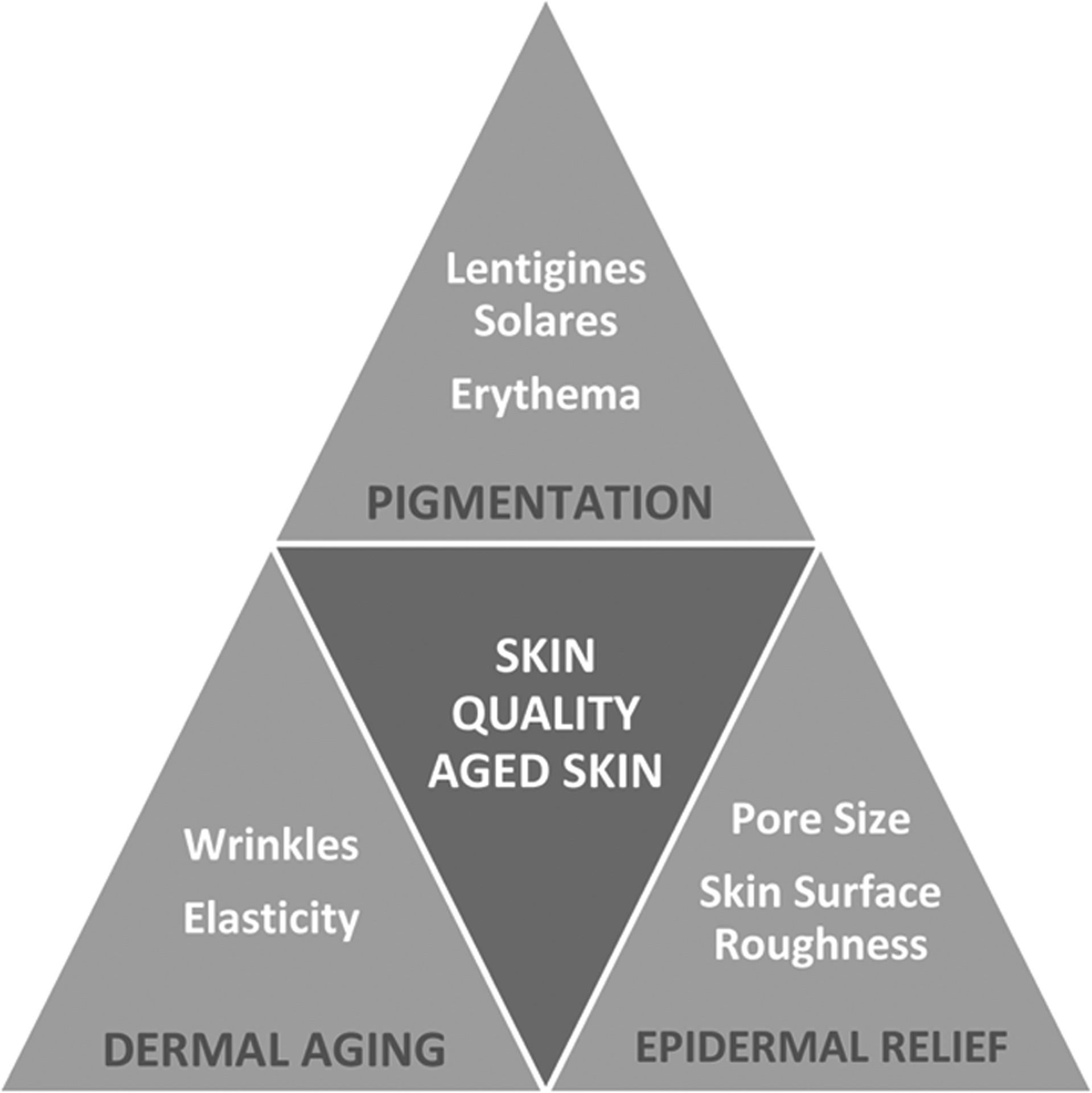
Ageing also affects the skin itself. Over time, collagen and elastin levels decline, leading to fine lines, wrinkles, thinning skin, uneven texture, and sun damage. These skin-quality concerns are not improved by facelift surgery. Even after a technically excellent facelift, patients may still notice wrinkles and skin texture issues if these are not addressed separately. Treatments such as neuromodulators (Botox) can reduce dynamic wrinkles caused by muscle movement, while energy-based technologies, including CO₂ fractional laser, can improve skin texture, tone, and overall quality by stimulating collagen remodelling. These treatments play an important complementary role in comprehensive facial rejuvenation.
3. Loss of Facial Volume
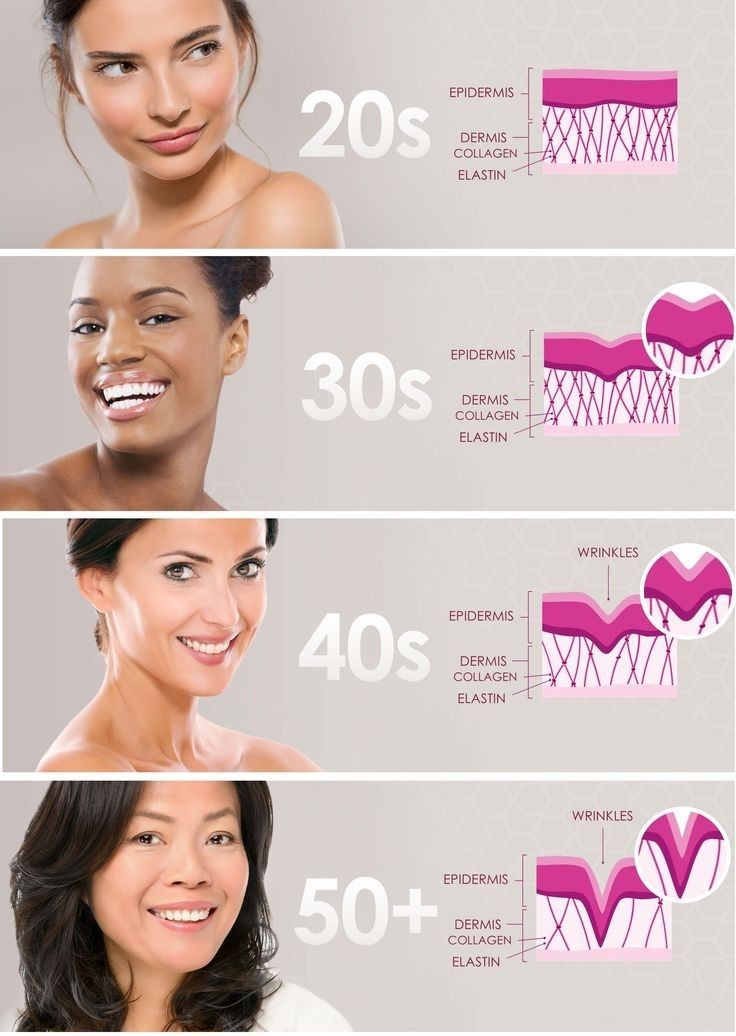
Another major but often underappreciated aspect of facial ageing is volume loss. With age, fat pads in the face gradually shrink and shift, particularly in the cheeks, temples, and around the eyes and mouth. This loss of volume contributes to a hollow, tired appearance and exaggerates sagging and wrinkles. If volume loss is not addressed, a facelift alone may result in a face that appears tight but lacks softness and youthful fullness. Volume restoration is therefore a critical component of modern facial rejuvenation and is commonly achieved through fat grafting or the strategic use of dermal fillers. Fat grafting, in particular, can provide long-term, natural volume restoration while also improving skin quality.
The Importance of a Comprehensive Approach
The most natural and aesthetically pleasing results are achieved when all three components of facial ageing — tissue sagging, skin quality, and volume loss — are addressed together. A personalised treatment plan may involve a combination of facelift and neck lift surgery, volume restoration, and skin-enhancing treatments tailored to the individual’s anatomy, age, and goals. This integrated approach avoids an over-tightened or “operated” appearance and instead produces balanced, harmonious rejuvenation.
BEST TRIO TO ULTIMATE RESULT THAT LAST DECADES
-
FULL DEEP PLANE FACELIFT / NECKLIFT
-
FATS GRAFTING
-
FRACTIONAL CO2 LASER
Facelift surgery remains a powerful and transformative procedure, but it should not be viewed as a standalone solution to facial ageing. A comprehensive, individualised approach that addresses structural support, skin quality, and volume loss is essential for achieving optimal, natural-looking, and long-lasting results. Proper assessment, patient education, and thoughtful combination of treatments are key to successful facial rejuvenation.